Furnace vs. Heat Pump: Which Heating System Is Right for Your Catonsville Home?
Choosing the right heating system can significantly affect your home's comfort and energy bills for years to come. For Catonsville, MD, homeowners, the decision often comes down to two main options: a gas furnace or a heat pump. Both can keep your home warm through a Baltimore County winter, but they work differently and perform differently depending on your home's age, layout, and fuel access. This guide breaks down how each system works, how they hold up in Catonsville's mixed climate, and what factors matter most before you commit.
How Each Heating System Works
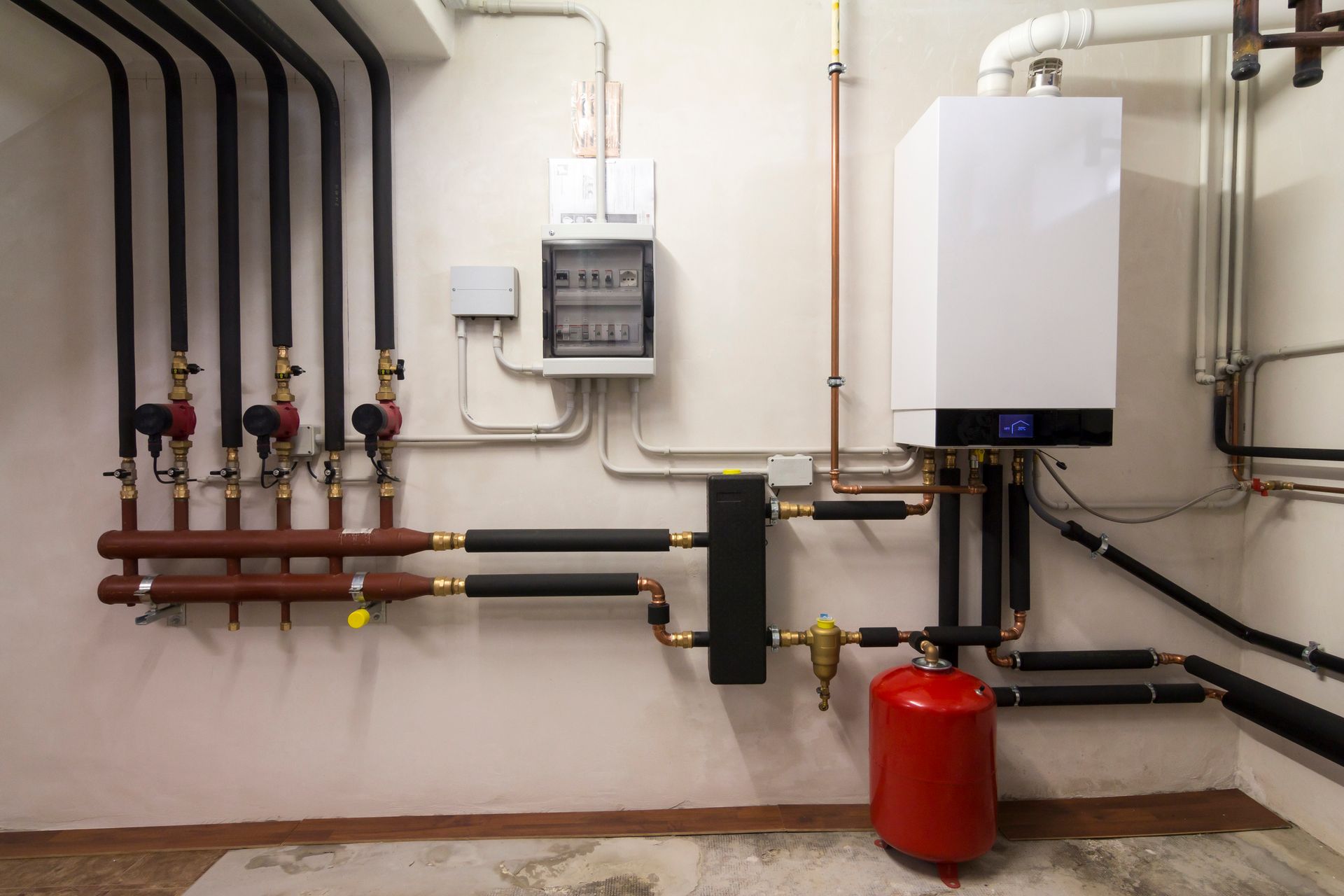
A furnace generates heat by burning natural gas or propane and pushes warm air through your duct system. It produces high-heat output quickly, which many homeowners in older Catonsville neighborhoods appreciate on the coldest nights. Catonsville winters can be harsh, with January temperatures averaging a high of 38.1°F and a low of 26.2°F.
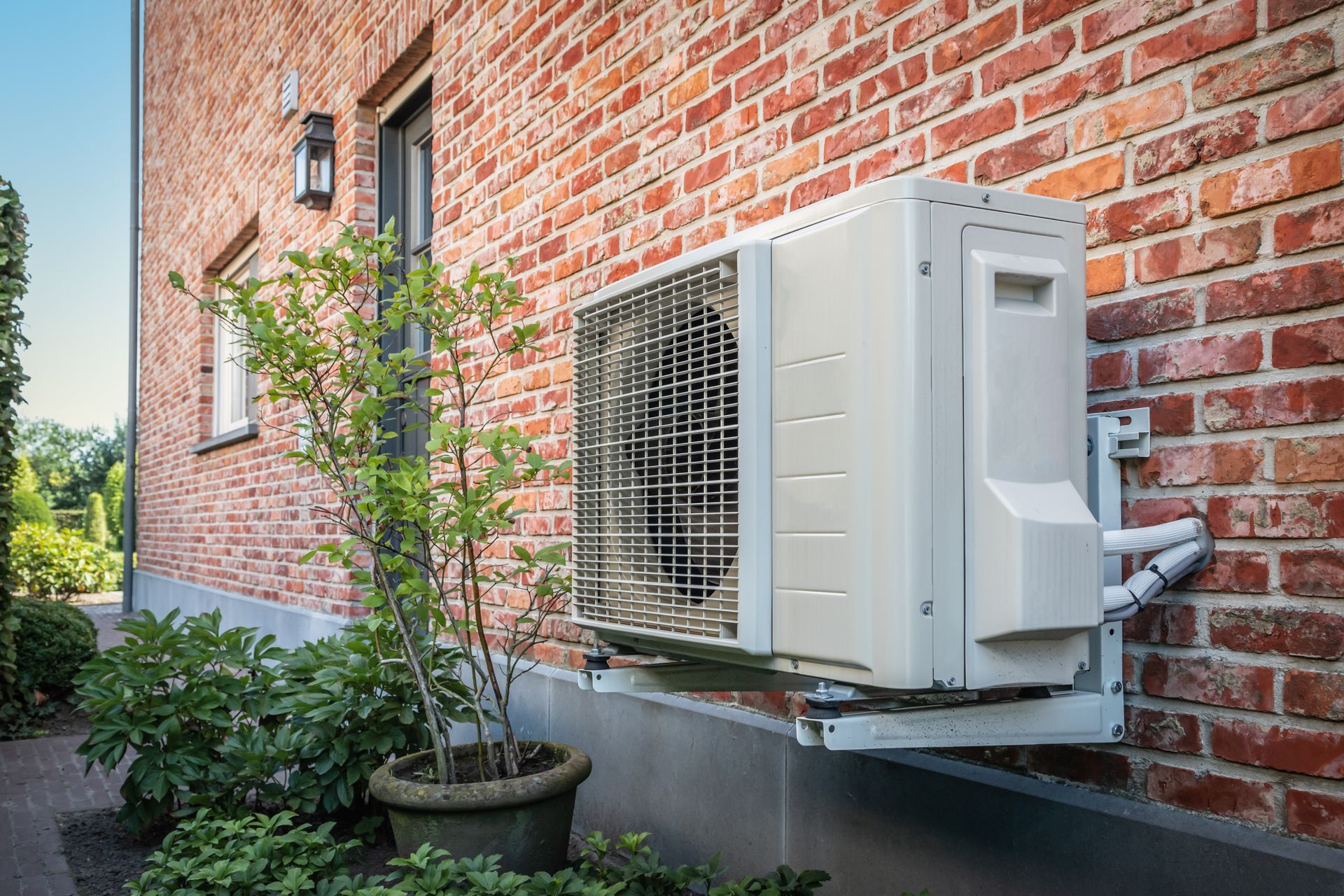
A heat pump moves heat from outdoor air into your home rather than creating it. In summer, it reverses the process and acts as an air conditioner. Standard air-source heat pumps operate efficiently down to about 35 to 40°F, making cold-climate (hyper-heat) models worth considering for the Baltimore area.
Which System Suits Catonsville's Climate?
Baltimore's Zone 4A climate makes heat pumps a reasonable choice for most homeowners. A modern cold-climate heat pump can handle the bulk of the heating season, but Catonsville winters regularly push into the 20s and 30s Fahrenheit. During those stretches, a furnace or dual-fuel heating system (a heat pump paired with gas backup) may provide more reliable comfort.
Older homes near the Edmondson Village corridor or along Frederick Road often have existing gas lines, making a furnace or dual-fuel system straightforward to install. Newer construction in the Rolling Road or Catonsville Commons areas may be better suited to a fully electric heat pump, especially with good insulation.
Efficiency Ratings and What They Mean
Furnaces are rated by Annual Fuel Utilization Efficiency (AFUE). Heat pumps are rated by Heating Seasonal Performance Factor 2 (HSPF2) and Seasonal Energy Efficiency Ratio 2 (SEER2).
In moderate temperatures, a heat pump can move significantly more energy than it consumes. As temperatures drop toward freezing, that efficiency advantage narrows. For a well-insulated Catonsville home, a cold-climate heat pump may deliver strong efficiency across most of the heating season, with gas backup handling only the coldest days.
Upfront vs. Long-Term Costs
A heat pump typically carries a higher upfront cost than a standard furnace, but it handles cooling too, which may offset the need for a separate air conditioning unit. A furnace may cost less to install if gas lines are already in place, but long-term costs depend on natural gas prices.
For Catonsville homeowners in BGE territory, incentives can help tip the balance. BGE administers EmPOWER Maryland energy efficiency programs offering significant incentives for heat pumps. Starting May 1, 2025, Maryland's Home Performance with ENERGY STAR programs through BGE stepped up incentives, offering up to $15,000 back when switching from fossil fuels to an electric heat pump. The federal Section 25C Energy Efficient Home Improvement Credit expired December 31, 2025, meaning no federal HVAC tax credits are available for systems installed in 2026. Verify current program availability directly with BGE before making a decision.
Which Home Types Benefit Most in Catonsville
Homes That May Favor a Furnace
Older homes with existing gas infrastructure, properties prone to frequent cold snaps below 25°F where dual-fuel is impractical, and homeowners who prefer rapid high-temperature heat delivery.
Homes That May Favor a Heat Pump
Homes with newer well-sealed ductwork or ductless mini-split setups, properties not connected to a gas line, and homeowners interested in combining heating and cooling into one efficient system while capturing available BGE rebates.
Frequently Asked Questions
Can a Heat Pump Handle Catonsville Winters on Its Own?
A modern cold-climate heat pump can manage most of a Catonsville winter. Temperatures here rarely drop below 14°F, which is within the operating range of many cold-climate models. For extended cold snaps, a dual-fuel setup adds dependable gas backup coverage.
Are BGE Rebates Available for Both Furnaces and Heat Pumps?
BGE's Smart Energy Savers Program offers rebates on qualifying high-efficiency heat pumps meeting minimum SEER2/HSPF2 thresholds. Furnace rebates may be available through the Home Performance with ENERGY STAR pathway as part of a broader efficiency upgrade. Contact BGE directly or visit bgesmartenergy.com for current details.
What if My Home Already Has Ductwork?
Existing ductwork can work with either heating system, but its condition matters. Older ducts common in mid-century Catonsville homes may need sealing or resizing to support a heat pump's airflow requirements. A qualified HVAC contractor can assess your setup before installation.
How Do I Know Which Heating Systems Are Compatible With My Home?
Schedule a professional assessment. A qualified HVAC technician can evaluate your existing ductwork, insulation, fuel access, and budget to recommend the right fit.
Ready to Choose the Right Heating System for Your Catonsville Home?
The right choice depends on your home's age, existing infrastructure, insulation quality, and budget. Selecting the right system in Catonsville, MD, is not a one-size-fits-all decision. The John E. Ruth Remodeling Co. has been serving the Catonsville and Baltimore County area for over 100 years, providing trusted HVAC installation and repairs tailored to local homes.
Explore your options on the heating systems service page, or contact the team today to request a consultation. You can also find The John E. Ruth Remodeling Co. on Google. Call (410) 747-0678 to speak with someone directly.